What Does Hope Look Like?
This week kicked off the start of the Advent season. Advent is not something that I grew up celebrating, or at least not that I can remember. When I moved to Texas in 2009, the church I went to with my aunt and uncle included the advent practices in their services. I was fascinated by the structure, the ritual, and the simplistic yet beautiful meaning of Advent. In case you’re like me and didn’t know what Advent was until you were a grown adult, here’s the quick breakdown. Each week in December, you focus on one of the 4 themes of Advent: hope, peace, joy, and love. You usually have a wreath with 4 candles on it and you light one candle each week until all the candles are lit. Or you can be like me and just cobble together 4 candles and call it good. We don’t judge around here.
Hope immediately resonated with me, even back in 2009. Maybe especially back in 2009 as I had moved with no job, just a roof over my head, incredibly supportive family, and the gritty hope that life could look different. I was in my early-mid 20s, survived an awful breakup as college was ending in 2007, and still felt like all my plans had quite literally gotten tossed upside down two years later. Hope that things could get better and the idea that there was a bigger plan for me was what I was clinging to. Fast forward to 2025 where it turns out life can be really chaotic yet fun, very much fueled by coffee, and very “brutiful” as Glennon Doyle writes. While I don’t know if I’ll write on each of the 4 themes of Advent this month, I knew I wanted to write about hope because it is so central to me and how I view the world. However, the hope I am talking about is probably different from the hope that most people think of. I feel like hope gets a bad rap - like it’s flimsy and gauzy like cotton candy almost. This is just not true, in my experience. So, what DOES hope look like? How do you explain it? Read on, dear ones.
How do you define hope?
A few years ago a colleague shared the work of Dr. Chan Hellman with me. He’s a hope research scientist out of OU Tulsa and his work immediately captured me. He has done extensive research around what we call the science of hope. He defines hope as “the belief or the expectation that the future can be better, and that more importantly, we have the capacity to pursue the future.” As a Mom of neurodiverse children, I remember the first time that I read his definition and research. Something clicked. I sat back and thought, “this is it. This is that feeling that I can’t put into words when people ask me how I do (FITB) when it comes to parenting and fighting for what my kids need and navigating what feels like endless meltdowns. THIS is the hope that I feel.” Dr. Hellman’s research goes on to demonstrate that there are quantifiable and measurable ways to build your skill set and increase your ability to hope, which I won’t go into here, but if this resonates, his TEDTalk on this is well worth your time. The Oxford Dictionary defines hope as a “feeling of expectation for something that is coming”. Every milestone that we have worked for and cried over when it happens is rooted in that feeling of hope - of expectation - and the belief that things can be better.
“That’s so Pollyanna of you…”
I’ve heard that statement a lot over the years and after doing my own work on letting go of perfectionism and caring too much about people whose opinions really don’t matter, I’ve learned to just say thanks for sharing and move on. I’m also a realist. Hope doesn’t just happen. It takes mindfulness, effort, and actual work. Hope is action based! I can’t hope for a better future unless I’ve put in the time and thought for what that could look like - and then work to make it happen. Hope is not luck. In the case of parenting, what hope looks like changes as milestones are met (or not and then we recalibrate) and we do the delicate dance of 2 steps forward, 1 step back. I have come to the conclusion, though, that it takes a lot more intentionality to stay true to the value of hope than to fall into the easy cynicism of criticism. And in my intentionality and consistency, I find my strong ground to stand on.
What does hope look like?
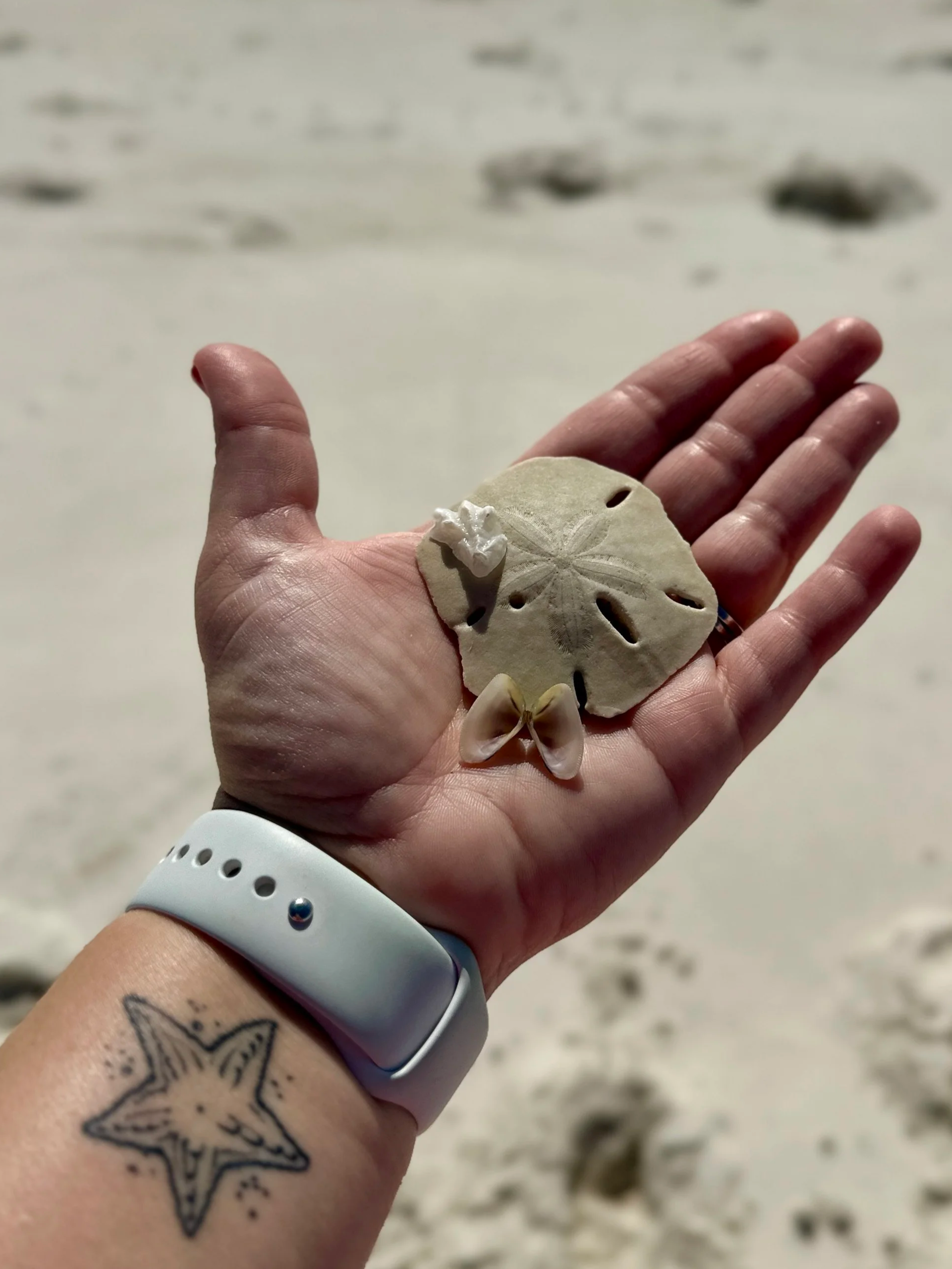
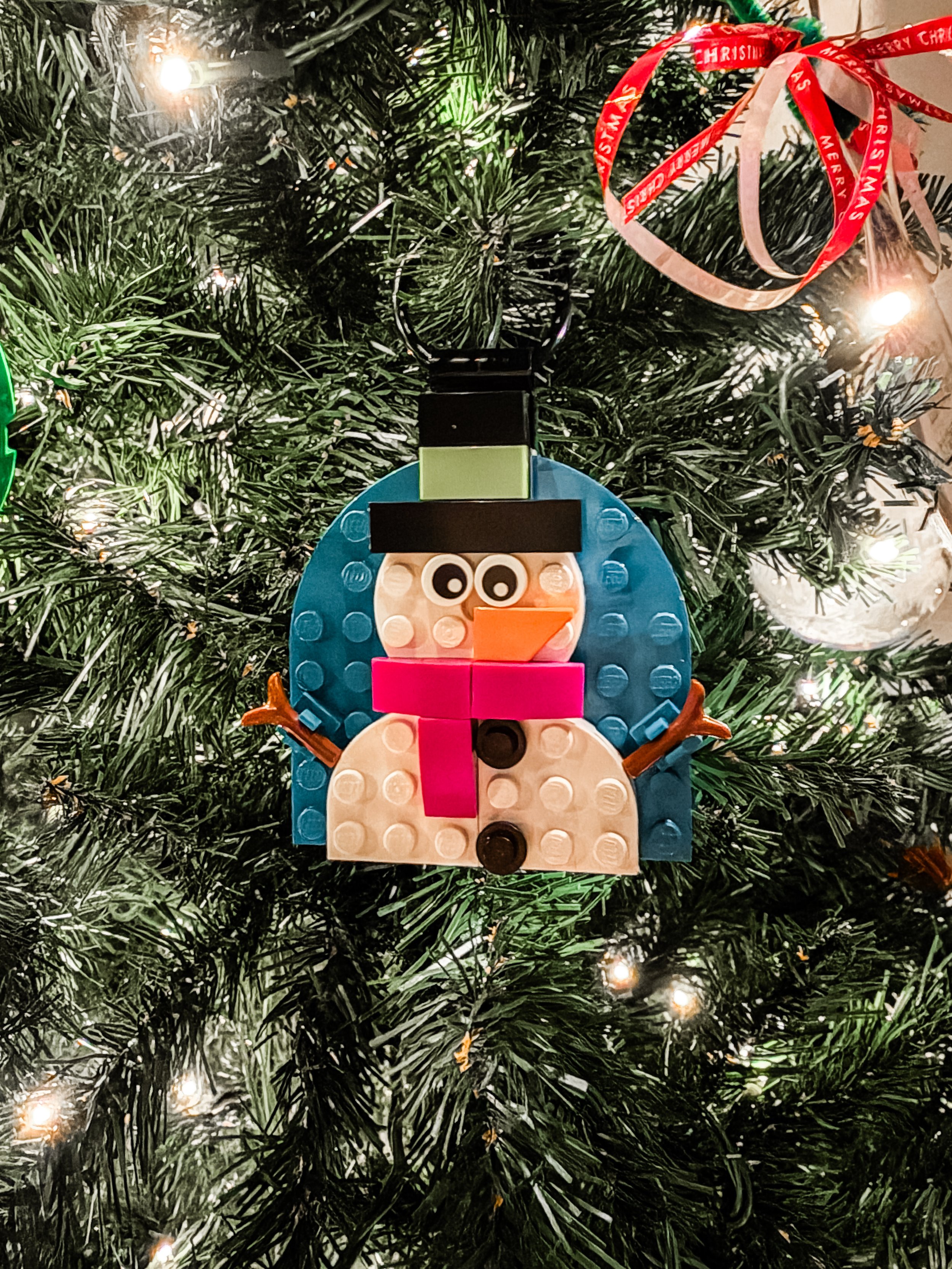
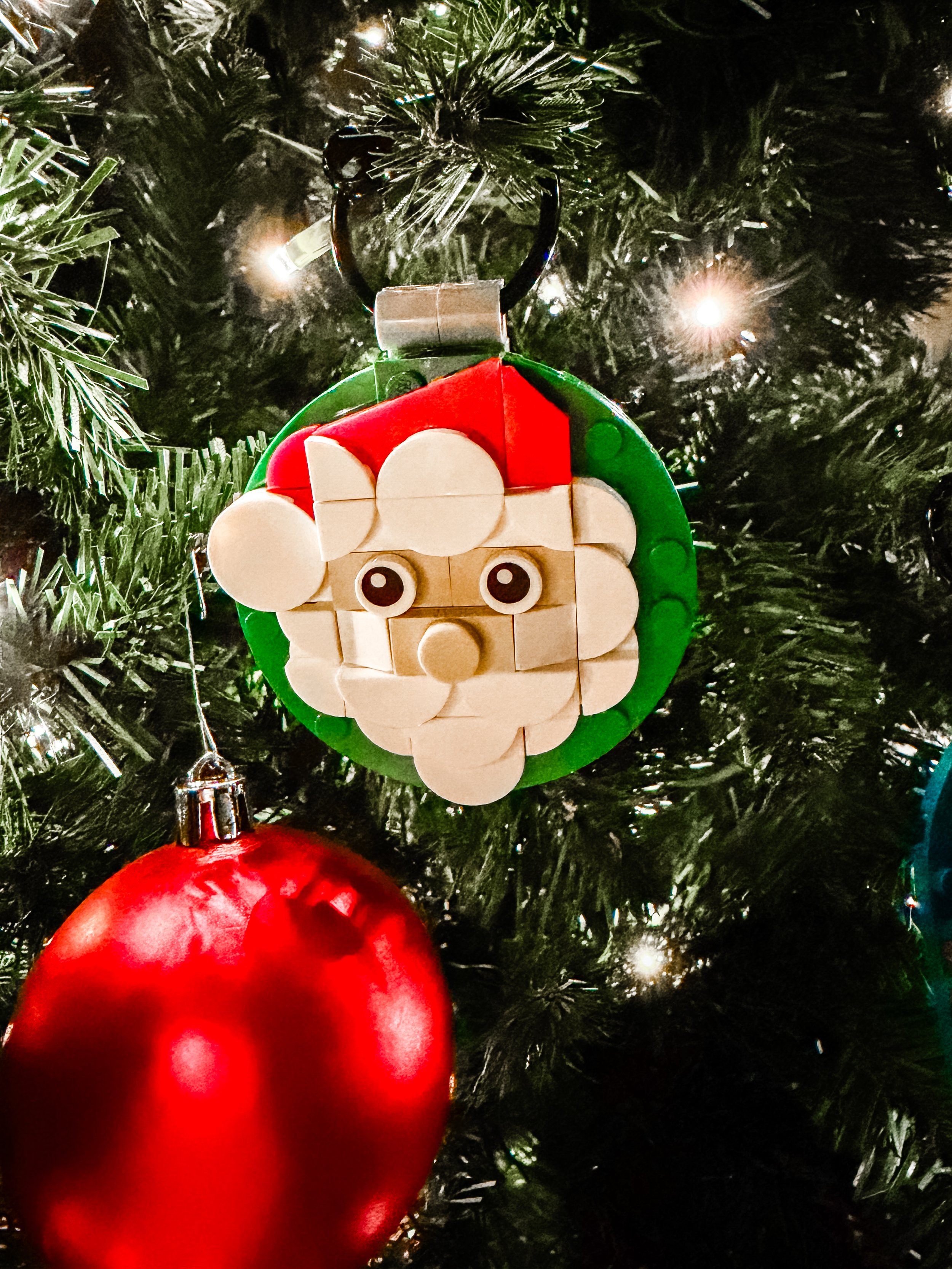
Currently hope is taking a lot of different forms for me. It looks like getting quiet and offering a gentle hand during a hard moment for our children. It looks like seeing our daughter continue to turn cartwheels simply because she is joy personified. It looks like hearing our son talk about his latest drawing that he did collaboratively with a friend. Walking on the beach to find the most unique seashells and sand dollars. Hope looks like Lego ornaments on the tree this year, for all 4 of us. Hope feels like finally being able to take that deep breath just when I need it to respond instead of react. It’s catching my husband’s eye during a moment of normalcy aka chaos and him giving me a reassuring smile that we’ve got this. Which makes us laugh because that is TBD because who really has anything these days, but you know what I’m saying. Hope has a spiritual connection for me, too, and it’s blended with science to help me understand it better.
As we head into the holiday and Christmas weeks, however you celebrate, maybe you too can lean into hope a little bit more. What I believe with all my heart is that hope is more than an ethereal feeling - it’s an action, gritty with determination to help you hold onto it.
Love you, mean it, friends.